


Last Updated: October 26, 2026
Quick Summary
Premium cigars worth the investment deliver superior quality through aged tobaccos, skilled hand-rolling, and rigorous quality control that budget cigars cannot match. The difference comes down to long-filler construction with whole leaves aged for years, multiple fermentation cycles, and careful craftsmanship that creates complex flavors and a refined smoking experience.
- Premium cigars use long-filler construction with whole tobacco leaves aged for years, while budget cigars use short-filler chopped scraps aged for weeks.
- A skilled roller produces 100-150 cigars daily, packing filler at precise density to ensure even burn and proper draw.
- Premium tobacco undergoes 3-4+ fermentation cycles lasting weeks or months each, compared to budget tobacco fermented once briefly.
- A premium cigar costs $8-20 and offers complexity and balance, while budget cigars cost $2-5 with harsh, one-dimensional experiences.
- Padilla Cigar Company has earned top 25 recognition from Cigar Aficionado multiple times over 21 years of consistent quality.
Table of Contents
- What Makes a Cigar Premium
- Premium vs. Budget Cigars
- The Real Cost Behind Premium Pricing
- How to Choose a Premium Cigar
- How Long Does It Take to Smoke a Cigar
- Storage, Freshness, and Long-Term Value
- Diminishing Returns and Personal Preference
- Start Your Premium Cigar Journey with Padilla
- Frequently Asked Questions
What Makes a Cigar Premium
The difference between a premium cigar and a mass-produced one isn't just price, it's the sum of decisions made across every stage of production. What makes premium cigars worth it comes down to tobacco quality, construction precision, and the expertise of the hands rolling them.
Premium cigars start with superior tobacco. The leaves are aged longer, fermented more carefully, and selected for flavor complexity rather than volume. A budget cigar might use tobacco aged for months; a premium cigar uses leaves aged for years. This aging process develops deeper flavors, smoother transitions, and a more refined smoking experience.
Tobacco Leaf Quality and Selection
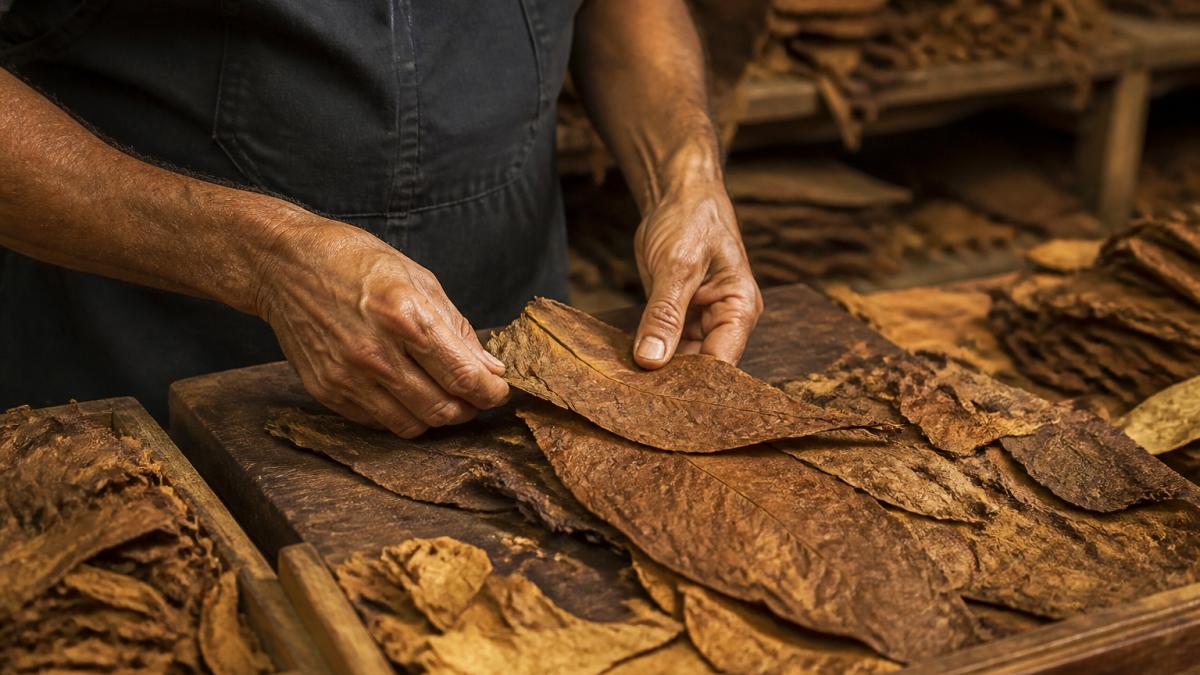
Premium tobacco begins in the field but isn't truly premium until it's been properly aged. The best tobacco comes from specific growing regions where soil, climate, and altitude create distinctive flavor profiles. Nicaraguan tobacco from the Esteli and Jalapa regions, for example, offers bold, complex flavors. Dominican tobacco tends toward smoothness and balance. Ecuadorian tobacco, particularly high-priming Corojo varieties, delivers rich, oily wrappers with excellent burn characteristics.
High-priming tobacco, leaves harvested from the upper portions of the plant, contains more oils and develops more complexity. These leaves receive the most sun exposure, which concentrates flavor compounds. Budget cigars often use lower-priming leaves, which are cheaper but deliver less nuance. The selection process for premium cigars is ruthless: leaves with blemishes, inconsistent color, or suboptimal texture are rejected, even if structurally sound.
Long-Filler Tobacco and Construction
Long-filler tobacco is the foundation of a premium cigar. These are whole tobacco leaves, not shredded scraps, that run the entire length of the cigar. Long-filler construction allows smoke to flow evenly, creates a complex flavor journey, and ensures consistent burn. Short-filler cigars, made from chopped tobacco scraps, are cheaper to produce but deliver harsher, less refined smoking experiences.
Premium cigars use multiple long-filler tobaccos blended together. A typical premium blend might combine Nicaraguan, Dominican, and Honduran tobaccos, each contributing specific flavor notes. The roller must arrange these leaves so they draw evenly, burn at the right pace, and deliver balanced flavor from first light to final puff. This requires skill developed over years of practice.
Aging, Fermentation, and Blending
Fermentation transforms raw tobacco into something smokable. During fermentation, tobacco leaves are stacked in piles where heat and moisture trigger chemical reactions that reduce harshness, develop flavor, and improve burn characteristics. Premium tobacco is fermented multiple times, sometimes three or four cycles, each lasting weeks or months. Budget tobacco might be fermented once, briefly.
After fermentation, tobacco is aged. Aging allows residual moisture to redistribute evenly, flavors to marry and meld, and the tobacco to develop complexity. Premium cigars age their components for years before blending. Blending is where the master blender's expertise shines. They select specific aged tobaccos, combine them in precise ratios, and create a consistent flavor profile batch after batch. This consistency is what separates a premium brand from a one-off lucky cigar.
Hand-Rolled Craftsmanship and Quality Control
A skilled roller can produce 100-150 cigars per day. Speed matters, but precision matters more. The roller must pack the filler leaves at exactly the right density, tight enough to hold shape and burn evenly, loose enough to allow proper draw. Too tight, and the cigar becomes hard to smoke. Too loose, and it burns too fast and hot.
The binder leaf holds the filler together and contributes to flavor. The wrapper is applied last and must be smooth, unblemished, and wrapped with a spiral that's both aesthetically pleasing and structurally sound. A properly rolled cigar has a pigtail cap, a small leaf folded at the head. Quality control at premium factories rejects cigars with soft spots, uneven construction, or wrapper flaws.
Premium vs. Budget Cigars
The gap between premium and budget cigars isn't subtle. A budget cigar might cost $2-5 and deliver a harsh, one-dimensional smoking experience. A premium cigar costs $8-20 and offers complexity, balance, and refinement. But the difference isn't just in the smoking experience, it's in what you're actually getting.
Budget cigars often use short-filler construction, which means you're smoking chopped tobacco scraps held together by a binder and wrapper. The tobacco might be aged for weeks, not years. The roller might be less experienced, and quality control might be minimal.
Premium cigars use long-filler construction with carefully selected, aged tobaccos. The result is a cigar that delivers flavor, aroma, complexity, and a refined smoking experience. Research from Tobacco Regulatory Science shows that premium cigar use may be increasing based on recent import data, though premium cigars remain a small percentage of the overall U.S. cigar market.
The real question isn't whether premium cigars are better, they objectively are. The question is whether the difference justifies the price for you.
The Real Cost Behind Premium Pricing
Premium cigars cost more because they're made differently, from better materials, by more skilled hands. Understanding where that cost comes from helps you evaluate whether the price is fair.
Production Costs and Labor
A premium cigar requires expensive tobacco. High-priming leaves from specific regions cost more than commodity tobacco. Aging that tobacco for years ties up capital and warehouse space. Fermentation requires controlled environments and monitoring. These costs add up before a single cigar is rolled.
Labor is significant. A skilled roller in a premium factory earns more than a line worker in a budget factory. The factory itself must maintain quality control, climate control, and proper aging facilities. These operational costs are real and substantial. A premium factory might spend $3-8 on materials and labor for a cigar that sells for $12-20. A budget factory might spend $0.50 on materials and labor for a cigar that sells for $3.
Brand Reputation and Rarity
Premium brands have earned their reputation through consistency and quality over years or decades. Padilla Cigar Company, for example, has been recognized as a top producer for over two decades. Cigar Aficionado has selected Padilla among the Top 25 cigars multiple times, reflecting consistent quality recognition. This reputation carries value. You're not just buying a cigar; you're buying confidence that it will deliver a quality experience.
Rarity adds value. Limited-production cigars, special releases, and discontinued blends command premium prices because supply is finite. A cigar that was produced in small quantities years ago might now be impossible to find, making remaining stock more valuable. Collectors seek these cigars for investment and prestige.
How to Choose a Premium Cigar
Choosing a premium cigar doesn't require expertise, but it does require understanding what you're looking for.
Understanding Wrapper, Binder, and Filler
The wrapper is what you see. It determines much of the visual appeal and contributes significantly to flavor. Wrappers range from light Connecticut shade (mild, smooth) to dark Maduro (rich, sweet). The wrapper's color and oil content signal what to expect. An oily, dark wrapper typically means bold flavors. A light, dry wrapper typically means milder flavors.
The binder holds the filler together. It's usually a sturdy leaf that contributes to structure and some flavor. You don't see it, but you feel its effects in how the cigar draws and burns.
The filler is the heart of the cigar. Long-filler construction uses whole leaves; short-filler uses scraps. The filler determines the smoking experience more than any other component. Premium cigars use long-filler blends of aged tobaccos from multiple regions.
Comparing Value Across Price Points
A $10 premium cigar offers better quality than a $3 budget cigar, but is it worth the extra $7? That depends on what you value. If you smoke occasionally and want a pleasant experience, a $10 cigar delivers noticeable improvement. If you smoke daily, the difference between $10 and $15 might matter less than consistency and availability.
Look at what you're getting. A $15 cigar with long-filler construction, aged tobaccos, and careful hand-rolling offers genuine value. A $25 cigar with similar construction but a prestigious brand name might be paying for reputation rather than additional quality.
Start with well-regarded mid-range options. The Padilla Artefacto Corojo at $35.95 for a 5-pack ($7.19 per cigar) delivers handcrafted quality with aged Nicaraguan tobacco at a reasonable entry point. As your palate develops, explore higher-priced options to discover whether the additional cost delivers additional enjoyment for you personally.
How Long Does It Take to Smoke a Cigar
Smoking time varies by size and smoking pace, but most premium cigars take 45 minutes to 2 hours. A smaller cigar, say, a 5 x 38 lancero, might take 45 minutes. A larger cigar, a 6 x 54 toro, might take 90 minutes. A massive 7 x 70 might take 2+ hours.
The pace at which you smoke matters more than the cigar's size. Slow, deliberate smoking, taking a puff every 30-45 seconds, extends the experience and allows flavors to develop fully. Fast smoking heats the tobacco excessively, creating harsh, unpleasant flavors. Premium cigars reward patience. The complexity and balance that makes them worth the price emerges when you smoke slowly and attentively.
Storage, Freshness, and Long-Term Value
How you store a premium cigar after purchase directly affects its quality and longevity. A properly stored cigar remains fresh for years. A poorly stored cigar can dry out in weeks or develop mold.
Premium cigars need humidity between 65-72% and temperature around 65-70°F. A humidor, a sealed wooden box with a humidification device, maintains these conditions. Without proper storage, cigars dry out, become brittle, and lose flavor. Learn more about proper premium cigar storage at home to preserve your investment.
Freshness matters for enjoyment. A cigar that arrived dried out won't recover fully, even with months of humidification. When ordering online, verify that the seller ships with adequate humidity protection. Padilla Cigar Company includes free shipping on orders over $100, and ships cigars in humidity-controlled packaging to ensure they arrive fresh.
Diminishing Returns and Personal Preference
At some price point, paying more doesn't deliver proportionally better cigars. A $50 cigar might be noticeably better than a $15 cigar. A $100 cigar might be only marginally better than the $50 option. This is diminishing returns.
Personal preference matters enormously. You might love bold, spicy cigars and find smooth, mild ones boring, regardless of price. You might prefer smaller cigars for their quicker smoking time, even if larger formats offer more complexity.
The best approach is to experiment within your budget. Start with well-reviewed mid-range cigars. Notice what you enjoy, strength, flavor profile, smoking pace, size. Then explore options that match those preferences. As your palate develops, you'll discover which price points deliver genuine value for your tastes and which represent diminishing returns.
Start Your Premium Cigar Journey with Padilla
Understanding what makes premium cigars worth it is the first step. Taking action is the second. Padilla Cigar Company offers handcrafted cigars that embody the principles covered here: aged tobaccos, skilled rolling, rigorous quality control, and consistent excellence.
Start with the Padilla Artefacto Corojo 5-pack at $35.95, which combines aged Nicaraguan tobacco with careful hand-rolling at an accessible price point. As you develop your preferences, explore limited releases and specialty blends. Enjoy free shipping on orders over $100, and receive cigars shipped fresh in humidity-controlled packaging.

Premium cigars aren't a luxury you can't afford, they're an investment in an experience. When you understand what you're paying for, the price becomes transparent. Quality tobacco, skilled craftsmanship, and rigorous quality control deliver a refined smoking experience that budget cigars simply cannot match.
| Factor | Budget Cigar | Premium Cigar |
|---|---|---|
| Filler Construction | Short-filler (chopped scraps) | Long-filler (whole leaves) |
| Tobacco Aging | Weeks to months | Years |
| Fermentation Cycles | 1-2 | 3-4+ |
| Quality Control Rejection Rate | <5% | 10-20% |
| Wrapper Selection | Commodity | Hand-selected for consistency |
| Typical Price Per Cigar | $2-5 | $8-20+ |
| Smoking Experience | One-dimensional, harsh | Complex, balanced, refined |
Frequently Asked Questions
What is considered a premium cigar?
A premium cigar is typically defined by its construction method, tobacco quality, and aging process. Premium cigars are hand-rolled using long-filler tobacco from high-quality leaves, aged and fermented for months or years. The hallmarks include skilled craftsmanship, superior tobacco blends, and consistent draw and burn. Premium handmade cigars make up a small percentage of the total U.S. cigar market, emphasizing their specialized nature.
Are premium cigars worth the price compared to budget options?
Premium cigars justify their cost through superior tobacco quality, extended aging and fermentation, hand-rolling by skilled artisans, and rigorous quality control. Budget cigars often use short-filler tobacco, minimal aging, and machine production. The smoking experience differs noticeably: premium cigars deliver balanced flavor complexity, smooth draw, and consistent construction, while budget cigars may have uneven burn or harsh flavor. However, value depends on your palate and smoking frequency. A casual smoker might find a $10-15 cigar satisfying, while enthusiasts appreciate the nuanced experience a $15-25 cigar provides. Padilla's El Titán: Rollers' Cut ($9.75 per cigar) offers premium long-filler construction at an entry-level price point.
What makes a cigar well-made?
A well-made cigar exhibits four key qualities: flawless draw (air flows smoothly without effort), even burn (the ash holds its shape and burns at a consistent rate), proper construction (wrapper and binder are intact with no soft spots), and balanced flavor (no harsh or bitter notes). Hand-rolled cigars from skilled rollers show superior construction compared to machine-made alternatives. Quality control during production catches defects in wrapper appearance, filler consistency, and draw before cigars leave the factory. Award-winning cigars like Padilla Miami 8&11, twice selected among the Top 25 Cigars in the world by Cigar Aficionado, exemplify these standards through rigorous inspection at every stage.
How long does it take to smoke a cigar?
Smoking time depends on the cigar's size and your pacing. A standard robusto (5 x 50) typically takes 45-60 minutes, while a corona (5.5 x 42) takes 30-45 minutes. Larger vitolas like a Churchill (7 x 47) can take 90 minutes or more. Premium cigars are designed to be savored slowly, allowing the flavors to evolve as the blend transitions from the first third through the middle and final third. Rushing the smoke produces a hot, bitter experience; smoking slowly at a relaxed pace reveals the complexity and balance the blender intended. This extended ritual is part of why enthusiasts value premium cigars for special occasions and personal relaxation.
Is a higher price always a sign of a better cigar?
Not necessarily. A costly cigar is not automatically better than a moderately priced option. Price reflects tobacco origin and age, brand reputation, packaging, and production location, but personal preference plays a significant role. A $15 cigar from a respected blender may deliver more enjoyment than a $30 cigar if the flavor profile suits your palate better. The key is understanding what you're paying for: aged tobacco, skilled hand-rolling, limited production runs, and brand heritage all contribute to cost. Start by trying cigars across different price ranges to identify the value point where quality and personal satisfaction align for your taste.
What is the difference between long-filler and short-filler tobacco?
Long-filler tobacco consists of whole tobacco leaves that run the length of the cigar, creating a more open structure that allows air to flow evenly and produces a superior smoking experience. Short-filler tobacco uses fragments and scraps of tobacco, which pack more densely and can restrict airflow, leading to an uneven burn and harsh flavor. Premium cigars use long-filler tobacco exclusively, often from multiple origins blended for complexity. Budget cigars typically use short-filler to reduce costs. The construction method determines draw quality, burn consistency, and flavor development, key reasons premium long-filler cigars command higher prices and deliver noticeably better smoking experiences.
Are premium cigars safer than budget cigars?
From a health standpoint, premium cigars are not safer than budget cigars. Premium status reflects quality of construction, flavor, and craftsmanship, not reduced health risk. Cigars contain tobacco and carry the same health considerations as any tobacco product. The distinction between premium and budget cigars is about the smoking experience, complexity, and enjoyment, not health benefits or reduced risk.

Premium doesn't have to mean expensive. Our factory bundles deliver all-long-filler cigars at a few dollars each — try the Maduro or Habano wrapper.