


Last Updated: October 28, 2026
Quick Summary
Signs of high quality tobacco construction include a clean cap that sits flush, a seam that lies flat and nearly invisible, and a body that feels firm and springy with no soft spots or hard lumps. A cold draw should feel like sipping through a straw with mild resistance, and the burn line should move evenly around the ring. These checks separate construction quality from the quality of the leaf itself.
- Tobacco quality is about the leaf; construction quality is about what the hands did with that leaf.
- A soft patch means under-packing, which usually burns hot and uneven, while a hard knot means a plug.
- A quality wrapper has a subtle sheen and velvety feel; coarse, thick veins suggest lower-grade leaf.
- Curing typically dries primed leaves slowly over roughly four to eight weeks in a curing barn.
- When a cigar misbehaves, ask whether the problem showed up before or after lighting to tell construction from storage.
Table of Contents
- What Tobacco Construction Quality Actually Means
- Signs of a Well-Constructed Cigar You Can Check in Seconds
- How to Tell If a Cigar Is Good Quality Before You Light It
- Cigar Wrapper Quality: Reading the Leaf, Not the Label
- Cigar Draw and Burn: The Two Tests That Settle It
- Curing, Fermentation, and the Leaf Behind the Roll
- Common Defects and How to Identify Them
- Pick Up a Padilla Five-Pack and Inspect It Yourself
- Frequently Asked Questions
What Tobacco Construction Quality Actually Means
Tobacco construction quality is how well a cigar or pipe blend is built: the condition of the leaf, the way it is rolled or packed, and whether it delivers an even draw and burn.
Tobacco quality is about the leaf itself. Construction quality is about what the hands did with that leaf.
A great wrapper on a badly rolled cigar still smokes badly. A modest leaf rolled with skill can smoke beautifully. For the broader case, see what makes handcrafted cigars better.
Signs of a Well-Constructed Cigar You Can Check in Seconds
Signs of a well-constructed cigar can show up before you cut anything. Look at the cap, run a finger along the seam, and squeeze the body gently.
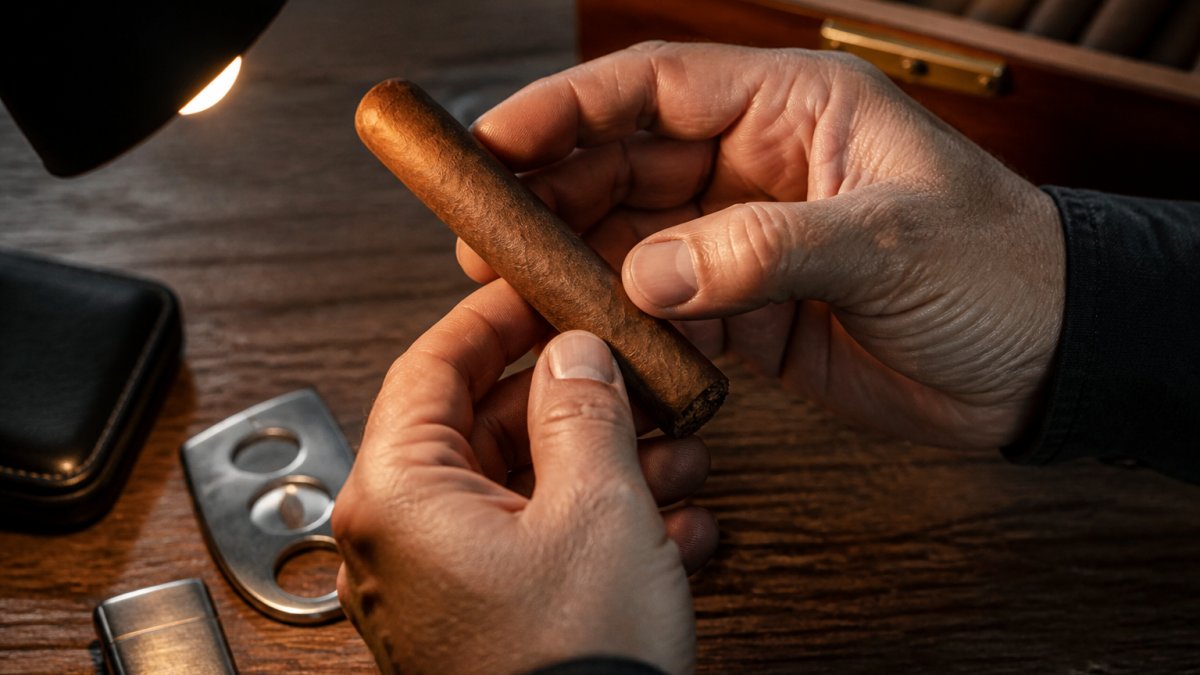
The Cap, Seam, and Foot
A clean cap sits flush and smooth, with no lifting edges. The seam should lie flat along the body, nearly invisible on a well-rolled cigar. At the foot, the filler should look evenly packed, not loose on one side and tight on the other.
Firmness and the Roller's Touch
Roll the cigar between your fingers. It should feel firm and springy, with no soft spots and no hard lumps. A soft patch means under-packing, which usually burns hot and uneven. A hard knot means a plug waiting to happen.
How to Tell If a Cigar Is Good Quality Before You Light It
Before lighting, you can check a cigar's wrapper color, firmness, and aroma at the foot.
- Wrapper color should be consistent from head to foot
- No cracks, tears, or green spots on the leaf
- Firm from cap to foot, no soft pockets
- Aroma at the foot should smell like clean tobacco, not ammonia
- The cap should hold together when you test it gently with a fingernail
Cigar Wrapper Quality: Reading the Leaf, Not the Label
Cigar wrapper quality comes down to three visible traits: even color, fine texture, and intact structure. The wrapper is the most expensive leaf on the cigar, and it is also the easiest part to judge by eye.
A quality wrapper has a subtle sheen and a velvety feel. Coarse, thick veins suggest a lower-grade leaf. Thin, papery leaf that cracks when handled is fragile and will likely split as it burns.
Corojo, Habano, and What the Wrapper Tells You
Corojo tends to deliver a spicy, peppery character with a reddish tint. Habano runs smoother and often shows a slightly darker, oilier leaf. Neither is better. They signal different flavor directions.
If you want to see Corojo wrapper leaf up close, the Padilla Artefacto Corojo uses a Corojo-99 Nicaraguan wrapper from Aganorsa growers. It is a practical way to train your eye on the real thing.

Cigar Draw and Burn: The Two Tests That Settle It
Cigar draw and burn are the final verdict on construction. A cold draw before lighting tells you about airflow. The ash line after lighting tells you about packing consistency.
Take a test draw on the unlit cigar. It should feel like sipping through a straw with mild resistance. Too loose means under-packed filler. Too tight means a plug.
Once lit, watch the burn line. An even burn moves steadily around the ring. Hot spots, tunneling, or a burn that races down one side all point to uneven packing or moisture problems.
Curing, Fermentation, and the Leaf Behind the Roll
Curing and fermentation decide how the leaf behaves before a roller ever touches it, and they leave fingerprints you can still read on the finished cigar. Understanding what each stage does, and what it leaves behind, turns a vague "good leaf" impression into something you can actually inspect.
Curing: The Slow Moisture Drop
Curing is the controlled removal of moisture from freshly harvested leaf. In cigar tobacco, primed leaves are typically hung in a curing barn, often called a curing structure or casa de tabaco, where airflow and humidity are managed so the leaf dries slowly over roughly four to eight weeks.
What this means for construction quality: leaf that was cured too fast tends to be thin, papery, and brittle. It cracks along the wrapper seam and splits at the cap. Leaf cured too slowly or in stagnant air can carry a musty, barnyard edge that survives into the roll.
Fermentation: Where Harshness Leaves
Fermentation is the controlled, stacked aging of cured leaf, usually in pilones (large piles) or in smaller boxes for premium wrapper. The leaf's own enzymes and microbes generate heat, and the pile is turned periodically to keep temperature and moisture even.
Fermentation is what breaks down harsh compounds, particularly ammonia and certain proteins, and develops the aroma and flavor compounds that make a cigar taste like tobacco rather than like hay. A common pattern is that under-fermented leaf smells sharply of ammonia at the foot, while over-fermented or poorly managed leaf smells flat, sour, or like damp cardboard.
What the Leaf Leaves Behind in the Finished Cigar
You cannot see fermentation directly, but you can read its results:
- Wrapper sheen. A light oiliness on the wrapper is a sign of well-fermented, properly handled leaf. Bone-dry, matte wrapper often points to leaf that was rushed or stored too dry.
- Seam behavior. Well-fermented wrapper stretches slightly and lies flat. Under-fermented or over-dried leaf cracks along the seam when the cigar is squeezed.
- Foot aroma. Clean tobacco, cedar, or dried fruit notes suggest complete fermentation. Ammonia, sourness, or a damp basement smell suggest it was cut short.
- Ash color and structure. Fully fermented leaf tends to produce a tighter, lighter-gray ash. Poorly fermented leaf can produce flaky, dark ash and a harsher finish.
The Casa de Padilla Habano Bundle uses all long-filler tobaccos from Esteli, Condega, and Jalapa, wrapped in Habano Ecuador leaf. Browse the Habano bundle.

Common Defects and How to Identify Them
| Defect | What You See | What It Means | How to Test |
|---|---|---|---|
| Soft spots | Mushy patches when squeezed | Under-packed filler, hot uneven burn | Roll between fingers; compare firmness head to foot |
| Plug | Hard knot, tight cold draw | Over-packed leaf, poor airflow | Cold draw before lighting; resistance should feel like a straw, not a stopped pipe |
| Loose cap | Lifting or cracked cap edge | Will unravel when cut | Gently press the cap edge with a fingernail; it should not lift |
| Wrapper cracks | Splits along the seam | Dry leaf or rough handling | Flex the cigar slightly; listen for a crackle and watch the seam |
| Tunneling | Burn runs down the center | Uneven packing or moisture | Watch the ash line after lighting; a hollow center is the tell |
| Canoeing | One side burns faster | Inconsistent filler density | Rotate the cigar as it burns; one side racing ahead signals uneven pack |
Soft Spots and Plugs: Two Sides of Packing
The practical test is a slow squeeze from cap to foot. You are feeling for consistency, not hardness. A well-packed cigar feels firm and springy throughout, with no sudden soft pockets and no hard knots. If you find a plug, a draw poker can sometimes open it, but a plug near the cap usually means the cigar was rolled too tight at the head and will not improve.
Cap and Seam Defects: The Cut Test
The seam is the line where the wrapper leaf overlaps itself. On a well-rolled cigar it lies flat and nearly invisible. A seam that lifts, cracks, or feels rough is a sign of dry leaf or rough handling, and it will often split once the cigar heats up.
Burn Defects: Tunneling and Canoeing
A common mistake is blaming the blend for a bad smoke when the real cause is storage. Cigars kept too dry crack and burn hot. Cigars kept too wet tunnel and go out. Before you blame the roller, check your humidification.
Defect or Storage? A Quick Decision Rule
When a cigar misbehaves, ask one question: did the problem show up before or after lighting? Cap, seam, and firmness defects are visible before lighting and point to construction. Tunneling, canoeing, and harshness usually show up after lighting and often point to storage or moisture. If a cigar from a box you have smoked cleanly for months suddenly tunnels, suspect your humidification before you suspect the roller.
Pick Up a Padilla Five-Pack and Inspect It Yourself
Start with the Padilla El Titán: Rollers' Cut. These cigars were set aside during production because of appearance standards, and the listing says the long-filler tobaccos are the same as those used in the company's most exclusive blends. To test the cap and draw cleanly, use a custom Damascus steel cigar cutter.

Frequently Asked Questions
Should a well-made cigar feel firm or soft?
It should feel firm but springy, like a gently inflated tire. Squeeze the middle between thumb and forefinger: a well-constructed cigar gives slightly and returns to shape. Hard spots mean the filler is packed too tight and the draw will suffer. Soft, spongy patches mean underfilled tobacco that will burn hot and tunnel. Run your fingers along the whole length and look for a consistent feel from cap to foot, with no lumps or hollow sections.
What does an uneven cigar wrapper indicate?
A wrapper with visible color patches, raised veins, or a seam that gapes usually signals rushed curing or poor leaf selection. Color variation on a single cigar can mean the leaf was not fermented evenly, which often shows up as a harsh or bitter patch when smoked. A tight, flat seam is what you want; a seam lifting away from the body points to a construction problem that will worsen as the cigar heats up. Small veins are normal, but thick, protruding stems suggest lower-grade leaf.
How can you check a cigar's draw before smoking it?
Cut the cap cleanly with a sharp double-blade cutter, then take a cold draw before lighting. You should taste mild tobacco and feel light resistance, similar to sipping through a straw. If the draw feels like sucking through a clogged straw, the roll is too tight and the cigar will overheat. If it feels wide open with almost no resistance, the filler is loose and the smoke will run hot. A proper cold draw is the fastest test of tobacco construction you can run in ten seconds.
What causes a cigar to burn unevenly?
An uneven burn usually traces back to three things: inconsistent filler packing, uneven moisture across the cigar, or a wrapper leaf that is thicker on one side. Wind and lighting technique can make it worse, but a well-built cigar corrects small variances on its own. If a cigar consistently canoes down one side, the roller left a hard spot or the bunch was not rotated during rolling. Letting a cigar rest at proper humidity for a week before smoking resolves most minor burn issues.
Learning to read construction takes practice, and practice needs cigars worth examining. At Padilla Cigar Company, we ship handcrafted cigars direct from the factory, with free shipping on U.S. orders over $100. Every stick is rolled by hand, judged by eye, and backed by 21 years of craft. Get started with Padilla Cigar Company and inspect your next five-pack the way a roller would.

Put these checks to work on a Casa de Padilla Maduro bundle — all long filler, Estelí and Condega — or on the Little Havana-rolled Padilla Miami 8&11.