


Last Updated: November 22, 2026
Quick Summary
Handmade cigar alternatives for beginners are mild, hand-rolled cigars with gentler strength than full-bodied options, and Connecticut or Habano blends with long filler are usually the easiest first choice. Strength, body, wrapper and ring gauge matter more than price when choosing one. Remember that every cigar still carries health and nicotine risks.
- Choose mild Connecticut or Habano blends with long filler for a first smoke.
- Judge options by strength, body, wrapper and size rather than price.
- Ring gauge sets diameter in sixty-fourths of an inch; larger gauges burn cooler.
- Cut only 2 to 3 millimeters off the cap to avoid unraveling the wrapper.
- Draw every 30 to 60 seconds, because rapid puffing makes mild cigars bitter.
Table of Contents
- What Counts as a Handmade Cigar Alternative
- How Beginners Should Choose a Cigar: Strength, Body and Size
- Padilla Options at a Glance: Comparison Table and Prices
- Mild Connecticut and Habano Picks for a Gentle First Smoke
- Bolder Maduro and Short Filler Options Once You Know What You Like
- Machine-Made Cigars Versus Handmade: What Beginners Give Up
- Choosing Your First Padilla Bundle and Smoking It Well
- Frequently Asked Questions
What Counts as a Handmade Cigar Alternative
Handmade cigar alternatives for beginners are premium-style cigars made by hand that offer a gentler, more approachable smoke than the full-strength cigars many newcomers expect. For a first smoke, the most useful alternative is usually a mild Connecticut or Habano blend rolled with long filler, since those profiles are easier to finish without overwhelming the palate. At Padilla Cigar Company, we group our handmade options by strength and body so a new smoker can compare them on the same terms.
It helps to be clear about what the term does and does not cover. A handmade cigar alternative is still tobacco, rolled and finished by hand, offered at a different strength or price point. It is not a non-tobacco substitute. Health and nicotine risks apply to every cigar regardless of how it is made, and no cigar is a risk-free option. A UCLA Fielding School of Public Health research on cigar harms report found that premium cigars carry ingredients as harmful as those in cigarettes.
Many beginners assume that a more expensive cigar is automatically a better first choice. In practice, price tells you little about how gentle a smoke will be. Strength, wrapper and filler matter far more. Judge alternatives on those specifications rather than on the price tag alone.
How Beginners Should Choose a Cigar: Strength, Body and Size
Most beginner guides tell you to pick a mild cigar and leave it there. That advice is incomplete, because three separate variables decide whether a first smoke feels gentle or overwhelming: strength, body and size. Understanding what each one measures is the fastest way to choose well without relying on product names.
Strength versus body. Strength describes how much nicotine a cigar delivers. Body describes how full and heavy the smoke tastes on the palate. They usually move together, but not always. A cigar can taste creamy and mild while still carrying a noticeable nicotine load, which is why a beginner can feel lightheaded after a cigar that seemed gentle. Ligero, the top-priming tobacco leaf, is the main driver of both strength and body; blends that use more ligero sit higher on both scales.
Wrapper as a shortcut. The wrapper contributes a large share of flavor and is the easiest label to read.
Size and ring gauge. Cigar size is expressed as length in inches plus ring gauge, which is the diameter in sixty-fourths of an inch. Two practical effects matter for beginners. A larger ring gauge generally burns cooler and can mute intensity, while a longer cigar simply gives you more time and more tobacco, which means more nicotine. A shorter, thinner cigar such as a Corona or a petit corona is easier to finish and easier to keep lit evenly while you are still learning.
Smoking time. Choose a size you can actually finish in one sitting; a cigar that goes out repeatedly because you set it down is a common beginner frustration.
A simple selection framework. Work through five questions in order: (1) What strength can I handle today? Start mild. (2) What flavor family do I want: creamy Connecticut, peppery Habano, or sweet maduro? (3) What size fits the time I have? (4) What is my budget per cigar? (5) Is the construction long filler? Long filler cigars, which run the full length of the cigar rather than being chopped, are a construction type to look for when comparing options.
Judge alternatives on those specifications rather than on the price tag alone. A more expensive cigar is not automatically a gentler first choice; strength, wrapper and filler matter far more.
Padilla Options at a Glance: Comparison Table and Prices
The table below summarizes the Padilla options covered in this guide, with the prices listed on our site.
| Option | Starting Price | Body | Best For |
|---|---|---|---|
| Creamy, Smooth and Always Reliable 5 Connecticut Toros | $39.99 | Mellow to medium | Easygoing first smoke |
| Casa de Padilla Connecticut Bundle | $67.99 | Milder medium | Gentle everyday smoking |
| Casa de Padilla Habano Bundle | $79.99 | Medium to medium-plus | Stepping up from Connecticut |
| Padilla Dog Walker, 25 cigars | $59.95 | Medium-bodied | Short, low-commitment smokes |
| Padilla Miami Short Fillers, 25 cigars | $69.99 | Medium | Classic Miami flavor on a budget |
| Casa de Padilla Maduro Bundle | $77.99 | Medium to medium-plus | Bolder maduro flavor |
| Maduro 15-Pack | $59.99 | Mixed | Sampling three maduro blends |
Starting Price
Prices are in U.S. dollars and reflect the listings on our site. Check the product page for current availability, since limited runs can sell out.
Mild Connecticut and Habano Picks for a Gentle First Smoke
If you want the mildest possible introduction, begin with the Creamy, Smooth and Always Reliable 5 Connecticut Toros at $39.99 for five cigars. They are wrapped in Ecuadorian Connecticut leaf and open with notes of vanilla and almond, moving into toasted cedar and a light graham cracker sweetness. They are an easygoing choice for the first cigar of the day.
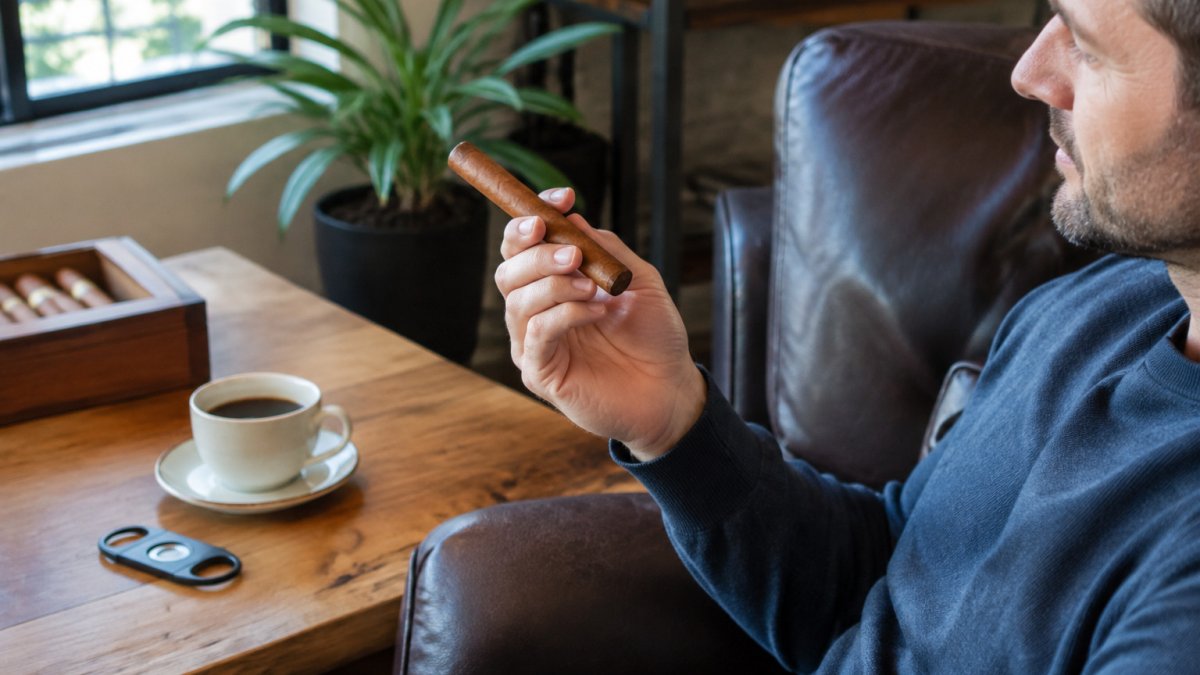
The Casa de Padilla Connecticut Bundle, at $67.99, is the next step for someone who wants a larger bundle with the same gentle profile. Its Connecticut wrapper sits over Nicaraguan long filler, with a milder medium body. It suits everyday smoking once you know you enjoy the style.
When you feel ready for more depth, the Casa de Padilla Habano Bundle at $79.99 offers an Ecuador Habano wrapper over Estelí, Condega and Jalapa long filler. It moves up to medium to medium-plus body, so it is a logical next purchase after you have settled on a Connecticut.
Bolder Maduro and Short Filler Options Once You Know What You Like
Once you know your preferences, the bolder options open up. The Casa de Padilla Maduro Bundle, at $77.99 for 25 cigars, pairs a San Andrés maduro wrapper with Esteli and Condega long filler at medium to medium-plus body. Maduro wrappers are darker and sweeter than Connecticut or Habano, so this is a sensible test of whether you enjoy richer flavor.
The Padilla Miami Short Fillers at $69.99 provide a different experience. They are made from trimmings of our Miami blends, rolled in a Robusto and a Corona format, and sold as bundles of 25. Short filler cigars are typically less complex than long filler, so treat them as a value option rather than a benchmark for the line.
For a sampler approach, the Maduro 15-Pack at $59.99 includes five cigars each from three maduro blends. It is a practical way to compare how different maduro blends taste before committing to a full bundle.
Machine-Made Cigars Versus Handmade: What Beginners Give Up
Machine-made cigars are a different product from the handmade cigars covered in this guide.
Compare construction details, not just the price per cigar, when weighing options.
If you are weighing the trade-off, a few pricing points from our catalog help frame it. The Padilla Miami Short Fillers are priced at $69.99 for 25 cigars, and the Casa de Padilla Maduro Bundle at $77.99 for 25 cigars.
Choosing Your First Padilla Bundle and Smoking It Well
Pick a first bundle by matching body to your experience. A mild Connecticut such as the Creamy, Smooth and Always Reliable Toros or the Casa de Padilla Connecticut Bundle is the most forgiving starting point. Move to a Habano or maduro only after you have smoked a few and know what you prefer.
Then smoke it well. Most beginner disappointment comes from technique, not from the cigar, so work through these steps in order.
1. Cut the cap. Use a sharp double-blade cutter or a punch. Remove only the very tip of the cap, roughly 2 to 3 millimeters, so the draw opens without the wrapper unraveling. A straight, clean cut matters more than the tool.
2. Toast the foot. Hold the cigar at a 45-degree angle above the flame and rotate it so the foot chars evenly before you draw. Keep the flame itself off the tobacco; you want radiant heat, not direct contact.
3. Light and check the draw. Take a few slow draws while rotating the cigar until the foot is glowing evenly. The draw should feel like sipping through a straw with mild resistance. Watch out: a draw that feels tight or plugged usually means the cut was too shallow or the roll is dense, and forcing it will make the smoke hot and harsh.
4. Pace yourself. Take a draw roughly every 30 to 60 seconds. Puffing rapidly overheats the tobacco and turns a mild cigar bitter. If you feel lightheaded, set the cigar down; nicotine affects beginners faster than they expect.
5. Relight correctly. If the cigar goes out, tap off the loose ash, purge the stale smoke by blowing gently through the cigar, then re-toast the foot before drawing again. A relit cigar may taste sharper for the first few puffs; that is normal.
6. Ash and finish. Let the ash fall on its own rather than tapping it constantly. Stop smoking when the cigar gets hot near the band; pushing past that point is where harshness comes from.
7. Store what you do not smoke. Keep cigars in a humidor and buy within a timeframe you can actually smoke. Buy within a timeframe you can actually smoke, and plan around limited runs such as the Maduro 15-Pack, which can sell out.
Common beginner mistakes to avoid. Cutting too deep and splitting the wrapper; drawing too fast; choosing a full-strength cigar for a first smoke; and buying a large bundle before confirming you like the profile.
For more guidance on choosing, the Beginner's Guide to Choosing a First Premium Cigar covers strength and size in more depth, and our own sampler guides can help you compare bundles side by side.
Frequently Asked Questions
What is a good substitute for smoking cigars?
If you want the ritual without the smoke of a full-size cigar, the honest substitutes are nicotine-free options or simply a shorter, milder cigar smoked less often. Nothing in this category removes health risk entirely. Beginners who want to cut back should choose a smaller format such as a Dog Walker 4x44 from the Padilla catalog, which runs $59.95 for 25 cigars, and smoke one at a time rather than daily.
What kind of cigar should a beginner use?
A beginner should start with a mild to medium-bodied cigar with a smooth draw and a short to medium size. The Padilla Connecticut Toros, five for $39.99, are wrapped in Ecuadorian Connecticut leaf and open with creamy vanilla and almond notes, which makes them a gentle first smoke. Avoid full-bodied maduros until you know how much strength you tolerate, since nicotine strength rises with body and size.
Are machine-made cigars a good alternative for beginners?
Machine-made cigars are cheaper and more uniform, but they are not the same product as handmade ones. Handmade cigars are rolled by hand, which affects how the filler is packed and how evenly the cigar draws. Padilla's catalog lists factory-direct cigars, so beginners comparing options should check how each cigar is made before buying.
What is the difference between handmade and machine-made cigars?
A handmade cigar is rolled by a person, usually with long filler tobacco that runs the length of the cigar, while machine-made cigars use faster, more uniform production. Compare the filler type listed on each product page before choosing.
